| / Terms, Glossaries, Dictionaries |
Prana Pratishtha
Prana Pratishtha is a highly significant ritual in Hinduism wherein a physically sculpted idol or image (known as a murti) is consecrated and transformed into a living embodiment of a deity.
The term originates from Sanskrit: Prana translates to "life force," "breath," or "vital energy" and Pratishtha translates to "establishment," "installation," or "consecration."
Therefore, Prana Pratishtha literally means "establishing the life force."
In Hindu theology, the Supreme Reality (Brahman) is considered formless and omnipresent. However, focusing on the formless is difficult for the human mind. To facilitate devotion (bhakti), the Divine is invited to take a physical form so devotees can connect with, care for, and worship it.
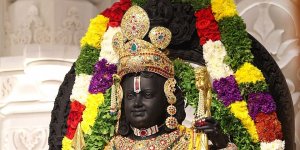
Before the Prana Pratishtha, an idol is simply a piece of art made of stone, metal, clay, or wood. After the ritual, it is no longer considered an inanimate object; it is believed to be a living entity radiating divine energy.
Devotees do not worship the stone itself, but rather the divine presence that has been invoked within it.
The Ritual Process
The ceremony is highly complex, governed by ancient texts called the Agamas, and usually performed by learned priests. While specific practices vary by region and deity, the general process includes:
Purification (Shuddhi): The un-consecrated idol is purified through various immersions. It may be submerged in water (Jaladhivas), grain (Annadhivas), or covered in flowers and fragrant pastes. This removes any impurities from the sculpting process.
Nyasa (Touch and Invocation): Priests chant specific Vedic mantras while touching various parts of the idol. This is meant to map the cosmic energies and the senses of the deity onto the physical form.
Breathing Life (Prana Pratishtha): This is the core moment. Through powerful mantras, the priests pray to the Supreme Divine to enter the murti.
Opening the Eyes (Netranmilan): The final step of the awakening is often the opening of the deity's eyes. The sculptor or a high priest uses a golden needle or applies honey/ghee to the eyes of the idol. It is believed that the first gaze of the newly awakened deity is immensely powerful.
The First Worship (Shodashopachara Puja): Once "alive," the deity is treated as an honored guest and a living king/queen. They are offered 16 types of services, including bathing, dressing in new clothes, offering of food (bhog), and the waving of lamps (aarti).
Life After Prana Pratishtha
Once a murti has undergone this consecration, it must be treated as a living being. The temple priests follow a strict daily schedule for the deity, which includes waking them up in the morning with music, bathing and dressing them, feeding them meals at specific times and putting them to sleep at night.
In Indian legal terms, a consecrated deity is even considered a "juristic person," meaning the deity itself can legally own property, pay taxes, and be represented in court.
Temporary vs. Permanent
Prana Pratishtha can be permanent or temporary.
Permanent: Done in large temples where the deity will reside for centuries.
Temporary: Done during festivals like Ganesh Chaturthi or Durga Puja. Clay idols are given Prana Pratishtha for the duration of the festival.
At the end of the festival, a ritual called Visarjan is performed to respectfully withdraw the life force, after which the clay idol is immersed in water to dissolve back into nature.
YOU MAY ALSO LIKE