Only Dharma. Since 1992
/ Terms, Glossaries, Dictionaries

Prajapati (Hinduism)

Prajapati (Sanskrit: प्रजापति Lord of Creatures) is a creator deity in Vedic Hinduism. The name is a title rather than a single personality and has been used for different divine figures across Hindu texts.
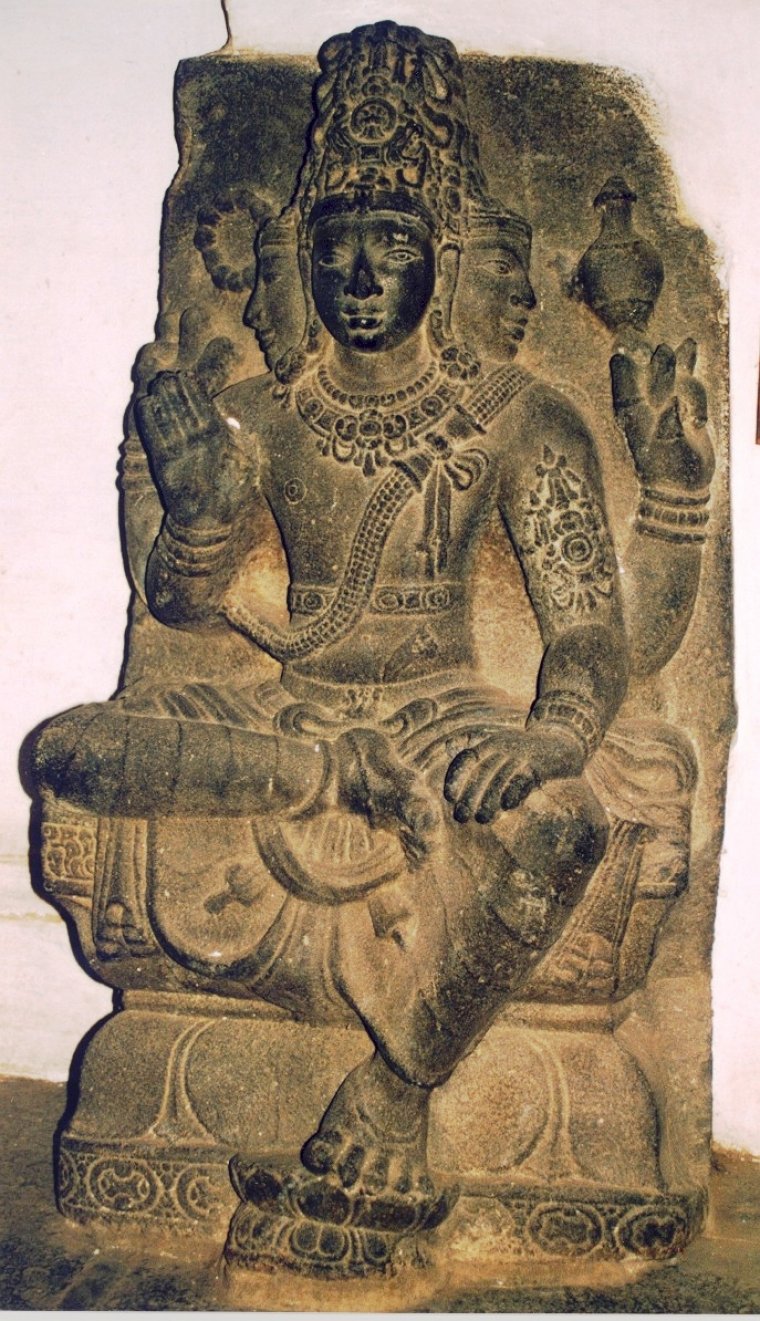


A sculpture of Prajapati with similar features associated with Brahma, Government Museum Chennai, Tamil Nadu, India. Photo: Benjamín Preciado/Centro de Estudios de Asia y África de El Colegio de México/Wikimedia


In the early Rigveda, Prajapati is described as The creator of the universe, The father of gods, humans, and all living beings or A cosmic being associated with creation and fertility.

Over time, Prajapati became closely identified with Brahma, the creator god of the later Hindu Trinity (Trimurti).

In the Puranas, the term “Prajapati” can refer to Brahma himself, or the mind-born sons of Brahma, who help populate the universe. Sometimes specifically to Daksha, a powerful progenitor deity.

Meaning & Symbolism

Praja = offspring or living beings
Pati = lord or master

So Prajapati literally means Lord of Creation. He represents creation and procreation, cosmic order or the generative force of life.


YOU MAY ALSO LIKE

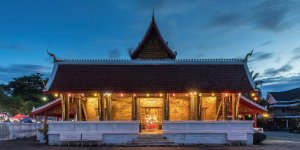
Wat Lao refers to Laotian Buddhist temples, serving as cultural and religious centers for the Lao community, often providing meditation, Dhamma teachings, and hosting traditional festivals like Lao New Year (Boun Pee Mai).
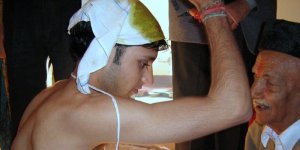
In Indian religions (Hinduism, Buddhism and Jainism), Samskaras (Sanskaras) have two main meanings: they are both rites of passage that mark the stages of life, and subconscious mental impressions that shape our character and habits.
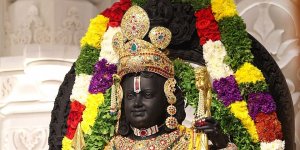
Ram Lalla (or Balak Ram) represents the divine form of the god Rama as a 5-year-old child, symbolizing innocence, purity, and devotion in Hinduism.
Saṅkhāra, in the sense of the totality of imprints or habitual patterns, is enumerated as one of the Five Khandhas (or Five Aggregates) that constitute a being, alongside Rūpa (form or matter, including both the physical body and the objects of the senses), Vedanā (Feeling or Sensation — raw sensory information, pleasant, unpleasant, or neutral), Saññā (Perception, the mental act of recognizing and interpreting sensory information), and Viññāṇa (Consciousness, awareness of an object through the sense organs).
Prana Pratishtha is a highly significant ritual in Hinduism wherein a physically sculpted idol or image (known as a murti) is consecrated and transformed into a living embodiment of a deity.
Niyoga is an ancient Hindu practice, primarily mentioned in scriptures like the Mahabharata and the Manusmriti, that allowed a childless widow (or sometimes a wife whose husband was incapable of procreation) to conceive a child with a designated male, usually a brother-in-law or a worthy sage.

© 1991-2026 Titi Tudorancea Yoga Bulletin | Titi Tudorancea® is a Registered Trademark | Terms of use and privacy policy
Contact