
Yoga

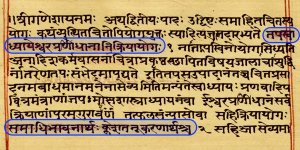
Sanskrit Devanagari text with Roman Transliteration and English Translation and Commentary by Swami Vivekananda
Sanskrit Devanagari text with Roman Transliteration and English Translation and Commentary by Swami Vivekananda.
 General Introduction to Tibetan Yoga and Secret Doctrines
Translated from Tibetan into English by Lama Kazi Dawa Samdup.
In the Yoga Sutras of Patanjali, the Yamas are the first of the eight limbs of Ashtanga Yoga. They represent the ethical disciplines and moral restraints that govern our relationship with the outside world and others. » The Niyamas are the second limb of Patanjali’s Eightfold Path. While the Yamas deal with our external social ethics, the Niyamas are internal disciplines or personal observances. They focus on our relationship with ourselves and help build the inner character necessary for the deeper stages of yoga. »  In Indian philosophy—specifically in the Yoga Sutras of Patanjali—the Kleshas are the five "afflictions" or "poisonous" mental states (mental affliction or mental-emotional patterns) that cloud the mind and cause human suffering (dukkha). They are seen as the root causes of all mental and emotional pain. » |