My Account
|
Subscriptions
Only Dharma. Since 1992
Shaivism Shaktism
Arthur Avalon: Garland of Letters (Varnmālā)
Text. In English.
Arthur Avalon: Hymn to Kali
English Translation.
Arthur Avalon: Hymns to the Goddess
English Translation.
Arthur Avalon: Introduction to Tantra-Sastra
Text. In English.
Arthur Avalon: Mahamaya.
Text. In English.
Arthur Avalon: Mahanirvana Tantra
Text in English. Translated from Sanskrit by Arthur Avalon.
Arthur Avalon: Śakti and Śākta
Text. In English. Draft Version.
Arthur Avalon: Serpent Power
Text. In English.
Sriyukta Sivacandra Vidyarnava Bhattacarya Mahodaya: Tantratattva
Edited by Arthur Avalon (John Woodroffe). In English.
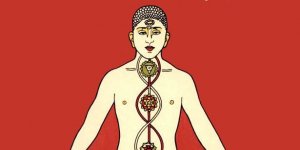
Swami Purnananda: Paduka-Pancaka
Translated from Sanskrit into English by Arthur Avalon.
Swami Purnananda: Sat-Cakra-Nirupana
Translated from Sanskrit into English by Arthur Avalon.
YOU MAY ALSO LIKE:
Kashmir Shaivism
© 1991-2026
Titi Tudorancea Yoga Bulletin
| Titi Tudorancea
®
is a Registered Trademark |
Terms of use and privacy policy
Contact
Homepage
NEWS
VEDAS
Samhitas
Rig Veda
Sama Veda
White Yajurveda (Vâjasaneyi-Sanhitâ)
Black Yajurveda (Taittiriya Sanhita)
Brahmanas
Satapatha Brahmana
Aranyakas
Upanishads
Upanishads (Sanskrit)
Upanishads (English)
Vedanta
Vedânta-Sûtras (Brahma Sutras)
Bhagavad Gita (Sanskrit)
Bhagavad Gita (English)
Upanishads (Sanskrit)
Upanishads (English)
Sankaracharya
Yoga Vāsistha
Vedantic Documentaries
BUDDHISM
Theravada
Tipiṭaka
Tipiṭaka (English)
तिपिटक (Tipiṭaka)
තිපිටක (Tipiṭaka)
တိပိဋက (Tipiṭaka)
តិបិដក (Tipiṭaka)
ติปิฎก (Tipiṭaka)
திபிடக (Tipiṭaka)
തിപിടക (Tipiṭaka)
তিপিটক (Tipiṭaka)
ਤਿਪਿਟਕ (Tipiṭaka)
તિપિટક (Tipiṭaka)
తిపిటక (Tipiṭaka)
ತಿಪಿಟಕ (Tipiṭaka)
ཏིཔིཊཀ (Tipiṭaka)
д̇ибидага (Tipiṭaka)
Dhammapada
Mahayana
Chán
Zen
Seon
Thiền
Vajrayana
The twenty-eight categories of yogic precepts.
The Tibetan Book of the Dead
Mahamudra
Mahasiddhas
Milarepa (Tibetan)
Milarepa (English)
Gampopa
Künkhyen Pema Karpo
Buddhist Documentaries
BON
YOGA
Yoga Sutra
Gheranda Samhita
Hatha Yoga Pradipika (Sanskrit)
Hatha Yoga Pradipika (English)
SAMKHYA
Sánkhya Aphorisms of Kapila
JAINISM
NYAYA
VAISESIKA
J. C. Chatterji: Hindu Realism
TANTRA
Kashmir Shaivism
Vasugupta: Siva Sutras
Kṣemarāja: Pratyabhijñāhṛdayam
J. C. Chatterji: Kashmir Shaivism
Shaivism / Shaktism
John Woodroffe: Introduction to Tantra-Sastra
Arthur Avalon: The Serpent Power
Arthur Avalon: The Garland of Letters
Arthur Avalon: Shakti and Shakta
Arthur Avalon: Mahamaya
Arthur Avalon: Hymns to the Goddess
Arthur Avalon: Hymn to Kālī
S'rîmad Devî Bhâgawatam
Mahanirvana Tantra
Tantratattva (Principles of Tantra)
TAOISM
Qigong
Tai Chi
Lao-Tse:Tao Te Ching
PURANAS
Bhagavata Purana
Garuda Purana
Vishnu Purana
Harivamsa Purana
DOCUMENTARIES
Buddhist Documentaries
Vedantic Documentaries
General Hindu Documentaries
SPIRITUAL TRADITIONS
Mahasiddhas
Milarepa (English)
Milarepa (Tibetan)
Lineages
Ashrams, Monasteries
Biographies
STORIES, LEGENDS, MYTHS
HISTORY OF INDIAN PHILOSOPHY
Surendranath Dasgupta: A History of Indian Philosophy
Surendranath Dasgupta: Hindu Mysticism
DHARMASHASTRA
Mahabharata
Grihya-Sûtra
Manusmriti
Sacred Laws of the Âryas
Vishnu-smriti (Vishnu sutra)
TERMS, GLOSSARIES, DICTIONARIES
WORLD IN PICTURES
My Account
Subscriptions






 Swami Purnananda: Paduka-Pancaka