Only Dharma. Since 1992
/ Buddhist Documentaries

Sacred Places of The Buddhists (3)

Bodhi Gaya, Bihar, India

A documentary film by BOGDAN-FLORIN PAUL | MAY 11, 2025

Bodhi Gaya, with its MahaBodhi Temple and the stone slab called Vajra Asana or Diamond Throne, marking the place under the Bodhi tree where the Buddha attained Enlightenment, is the most sacred of all Buddhist sites, and the most important pilgrimage site dedicated to the Buddha and his meditative practice.

Today, there is a Buddhist complex here with an area of ​​several acres that has at its center the MahaBodhi Temple, or The Temple of The Great Enlightenment, a temple built around 150 C.E. that marks the place where the Buddha attained Liberation.

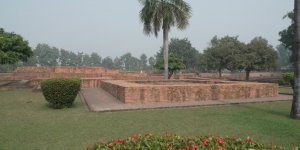
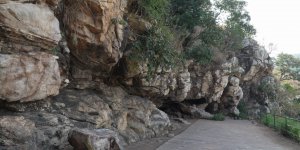
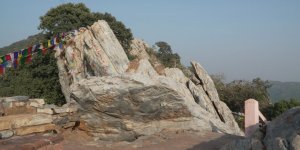
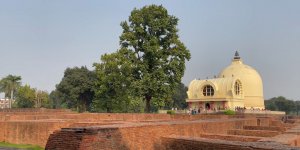
Here are also found a descendant of the Bodhi Tree, and a multitude of small stupas and Buddhist monuments that mark other places where the Buddha sat in samadhi or where he walked to revive his body after long periods of continuous meditation.

Watch this episode of the documentary film "Sacred Places of The Buddhists" to see what Bodhi Gaya looks like today and to learn more about the unique history of this place.


YOU MAY ALSO LIKE

Jetavana, or Jeta's Forest, located in Shravasti, Uttar Pradesh, India, is the place where the Buddha spent the longest time after attaining Enlightenment.
Sapta Parni, where the First Buddhist Council was held, is today a place of pilgrimage for Buddhists from all over the world.
The famous Vulture's Peak, Griddhakuta, also known as Gṛidhrakūṭa (in Sanskrit) and Gijjhakūṭa (in Pāli), was one of the Buddha's favorite meditation places.
The ancient Kusinārā, currently Kushinagar, Uttar Pradesh, India, is one of the four main pilgrimage sites for Buddhists. It is the place where, in about 543 B.C.E., Siddhartha Gautama, The Buddha, attained Parinirvana, leaving forever Samsara, the cycle of death and rebirth.
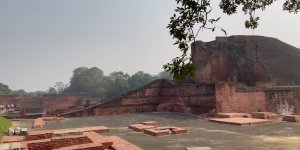
The famous Nālandā University, or Nālandā Maha Vihara, as it was known at the time, was the first international residential university in the world. Founded in about 427 CE, and preceding by more than six centuries the oldest universities in the West like Oxford, Bologna or Cambridge, in its hayday the Nalanda University had about 2,000 teachers and 10,000 students; its campus covered an area of more than 14 hectares, or 34 acres.

© 1991-2026 Titi Tudorancea Yoga Bulletin | Titi Tudorancea® is a Registered Trademark | Terms of use and privacy policy
Contact