| / Biographies |
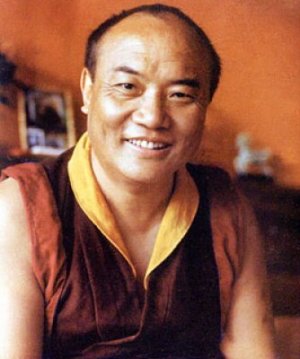
Khenchen Thrangu Rinpoche Biography
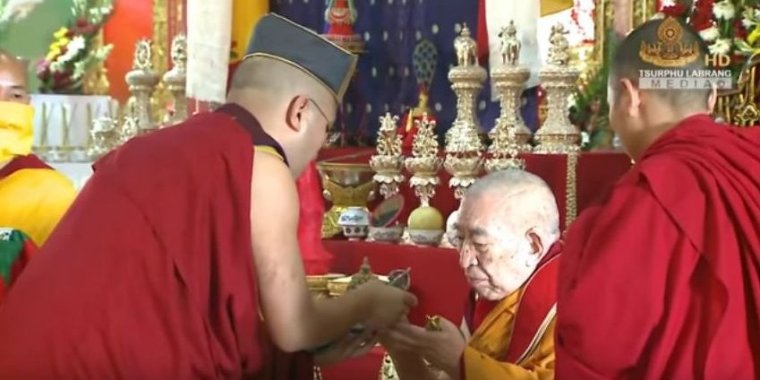
17th Karmapa performs Long Life Offering to Kenchen Thrangu Rinpoche. Credit: Wikipedia, Karmapa 17th.
Khenchen Thrangu Rinpoche, a highly respected Tibetan Buddhist master of the Karma Kagyu lineage was born in 1933 in Kham, Tibet.
He was recognized at the age of five by the 16th Karmapa and 11th Tai Situpa as the ninth incarnation of the Thrangu Tulku. His root incarnation was Shüpu Palgyi Sengé,1
At age seven he began his formal studies, learning reading, writing, grammar, poetry, and astrology. He also memorized ritual texts and completed two preliminary retreats.
At sixteen, he began studying the three vehicles of Buddhism2 while in retreat.
In 1959, following the Chinese invasion of Tibet, Thrangu Rinpoche fled to India. He settled at Rumtek Monastery in Sikkim, where he was tasked with preserving the teachings of the Kagyu lineage.
At age 35, he took the geshe examination before 1500 monks at Buxador monastic refugee camp in Bengal and was awarded the degree of Geshe Lharampa.
Thrangu Rinpoche was appointed Abbot of Rumtek monastery and the Nalanda Institute for Higher Buddhist Studies. He was a principal teacher at the Institute, training younger tulkus of the lineage.
He served as the personal tutor for the four principal Karma Kagyu tulkus: Gyaltsab Rinpoche, Situ Rinpoche, Jamgon Kongtrul Rinpoche, and Shamar Rinpoche1.
In 1976, he began teaching in the West and established numerous centers worldwide. He was known for his ability to make complex teachings accessible to Western students and was recognized as a master of Mahamudra meditation.
In the same year, he began construction of a three-year retreat center in Namo Buddha, a small monastery near the Great Stupa of Boudhanath, the Sekhar Retreat Center in Bhaktapur and the Nar Satek Retreat Center in Manang, all in Nepal.
In India he established the Vajra Vidya Institute monastic college in Sarnath, a holy Buddhist pilgrimage site in Uttar Pradesh.
While undertaking these projects, Thrangu Rinpoche also traveled the world teaching and giving empowerments to students in Asia, Europe, and North America.
Thrangu Rinpoche was a prolific author, compiled commentaries on the great texts of the Buddhist philosophical tradition, writing biographies of the masters of the Karma Kagyu lineage, writing meditation instructions, prayers and histories.
Under his supervision many rare texts were published. In 2002, he founded Thrangu Dharmakara to promote the publication of his teachings and translation into English and Chinese.
In May of 2023, Khenchen Thrangu Rinpoche became ill and a month later he passed away on the day of full moon, June 4, 2023 at Thrangu Monastery.
It is said that he spent three days in tukdam meditation3 before passing into Nirvāṇa.
Works by Khenchen Thrangu Rinpoche
• 37 Practices of a Bodhisattva
• Advice from a Yogi: Padampa Sangye's One Hundred Verses
• Aspirational Prayer for Mahamudra
• Buddha Nature: Ten Teachings on the Uttara Tantra Shastra
• Buddhist Conduct: The Ten Virtuous Actions
• Creation and Completion: Essential Points of Tantric Meditation (Jamgon Kongtrul & Thrangu Rinpoche)
• Crystal Clear: Practical Advice for Mahamudra Meditators
• Cultivating True Compassion Bodhichitta and the Bodhisattva Vow
• Daily Life as Mahamudra, Thrangu Rinpoche
• Distinguishing Consciousness from Wisdom: A Treatise of the Third Karmapa
• Distinguishing Dharma and Dharmata by Asanga and Maitreya
• Distinguishing Dharma and Dharmata, Commentary on Treatise of Maitreya
• Dolpopa's Mountain Dharma: The Birth of Shentong
• Essentials of Mahamudra: Looking Directly at the Mind
• Everyday Consciousness and Primordial Awareness
• Five Buddha Families and the Eight Consciousnesses
• Four Dharmas of GampoFive Buddha Families and the Eight Consciousnesses
• Four Foundations of Buddhist Practice
• Four Teachings: The Twelve Links, The Eight Consciousnesses, The Five Buddha Families, The Ten Virtuous Actions
• Guide to Shamatha and Vipashyana Meditation
• Guide to the Bodhisattva's Way of Life, Shantideva
• Harmony of Views: Three Songs by Ju Mipham, Changkya Rolpay Dorje, and Chogyam Trungpa
• Heart of the Dharma: Mind Training for Beginners
• History of Buddhism in India
• How to Recite the Mani Mantra: A Commentary on "The Song of the Mani Mantra" composed by Khenpo Gangshar Wangpo
• Introduction to Mahamudra Meditation
• Jamgon Kongtrul's Spiritual Song of Mahamudra
• Je Gampopa's The Jewel Ornament of Liberation
• Journey of the Mind: Preparing for the Bardo in Life, Dreams, Meditation, while Dying, and Rebirth
• King of Samadhi: Commentaries on the Samadhi Raja Sutra and the Song of Lodro Thaye
• Life and Spiritual Songs of Milarepa
• Life and Teachings of Gampopa (including the Four Dharmas)
• Life of the Buddha and the Four Noble Truths
• Life of Tilopa & The Ganges Mahamudra
• Lojong, Mind Training, Thrangu Rinpoche
• Looking Directly at Mind: The Moonlight of Mahamudra
• Luminous Clarity: A Commentary on Karma Chagme's Union of Mahamudra and Dzogchen
• Mahamudra Lineage Prayer: A Guide to Practice
• Medicine Buddha Teachings
• Middle Way Meditation Instructions of Mipham Rinpoche
• Milarepa's Wisdom: A Commentary on the Teachings of Milarepa in 13 of his 100,000 Songs of Realization
• Naropa's Wisdom: His Life and Teachings on Mahamudra
• Ninth Karmapa's Ocean of Definitive Meaning
• Ocean of Philosophy: Long Life Prayer Book of Thrangu Rinpoche
• Ocean of the Ultimate Meaning: Teachings on Mahamudra
• On Buddha Essence, A Commentary on Ranjung Dorje's Treatise
• On Gurus and Devotion
• Open Door to Emptiness: An Introduction to Middle Way Logic
• Ornament of Clear Realization, Commentary on The Treatise of Maitreya
• Ornament of Clear Realization: The Prajnaparamita Teachings
• Overview of the Bardo Teachings
• Pointing Out the Dharmakaya of the Ninth Karmapa Wangchug Dorje
• Practice of Tranquility and Insight
• Rechungpa: A Biography of Milarepa's Disciple
• Seven Points of Mind Training
• Shantideva's A Guide to the Bodhisattva's Way of Life
• Shentong and Rangtong: Two Views of Emptiness
• Showing the Path of Liberation: The Kagyu Lineage Prayer
• Song for the King: Saraha on Mahamudra Meditation
• Songs of Naropa
• Spiritual Biography of Marpa, the Translator
• Taking Delight in the Dharma
• Teachings on the Practice of Meditation
• Ten Teachings from the 100,000 Songs of Milarepa
• Three Vehicles of Buddhist Practice
• Tibetan Vinaya: Guide to Buddhist Conduct
• Tilopa's Wisdom: His Life and Teachings on the Ganges Mahamudra
• Twelve Links of Interdependent Origination
• Uttara Tantra: A Treatise on Buddha Nature
• Vivid Awareness: The Mind Instructions of Khenpo Gangshar
Sources
• https://en.wikipedia.org/wiki/Thrangu_Rinpoche
• https://rinpoche.com/
• https://www.rigpawiki.org/index.php?title=Khenchen_Thrangu_Rinpoche
• https://www.namsebangdzo.com/Books-by-Thrangu-Rinpoche-s/2422.htm
Notes
1. Shüpu Palgyi Sengé was one of the 25 disciples of Padmasambhava. He is also counted as one of the eight great scholars of Tibet. The king Tridé Songtsen sent Shüpu Palgyi Sengé to Nepal to invite Padmasambhava to Tibet.
2. The three vehicles of Buddhism are Theravada, Mahayana, and Vajrayana. They are also known as the three main vehicles because they each offer a different path to enlightenment.
3. Tukdam Meditation is a profound meditative state in Tibetan Buddhism, particularly within the Vajrayana tradition. It is characterized by a practitioner's ability to remain in deep meditation even after clinical death, often for days or weeks, without showing the usual signs of decomposition such as rigor mortis or decay. Practitioners in tukdam are believed to merge their consciousness with the Clear Light, a fundamental concept in Tibetan Buddhism representing the primordial nature of mind and reality
YOU MAY ALSO LIKE